Home Blog Shared House Guide Understanding Taiwan’s Public Holidays: History, Remembrance and What Foreigners Should Know


Did you know that Taiwan held the record for the world's longest martial law? The Kuomintang (KMT) government imposed martial law for 38 years and 57 days, from May 19, 1949, to July 15, 1987.
When you first move to a Taipei Share House, your calendar fills up with holidays. Some are for mooncakes, and some are for dragon boats. But as you stay longer, you realize that many of Taiwan’s most important days aren't about celebration—they are about remembrance.
Like many nations, Taiwan’s holidays are often rooted in historical tragedies. From the ancient legends of the Dragon Boat Festival to the modern-day solemnity of February 28th, these days are the "scars" that shaped a peaceful, democratic society.
Taiwan’s holidays fall into two categories: the Traditional (Lunar) and the Historical (Solar).
Holiday | Origin | The Meaning |
228 Peace Memorial Day | Historical Tragedy (1947) | Remembering the victims of the February 28th Incident and the start of the White Terror. |
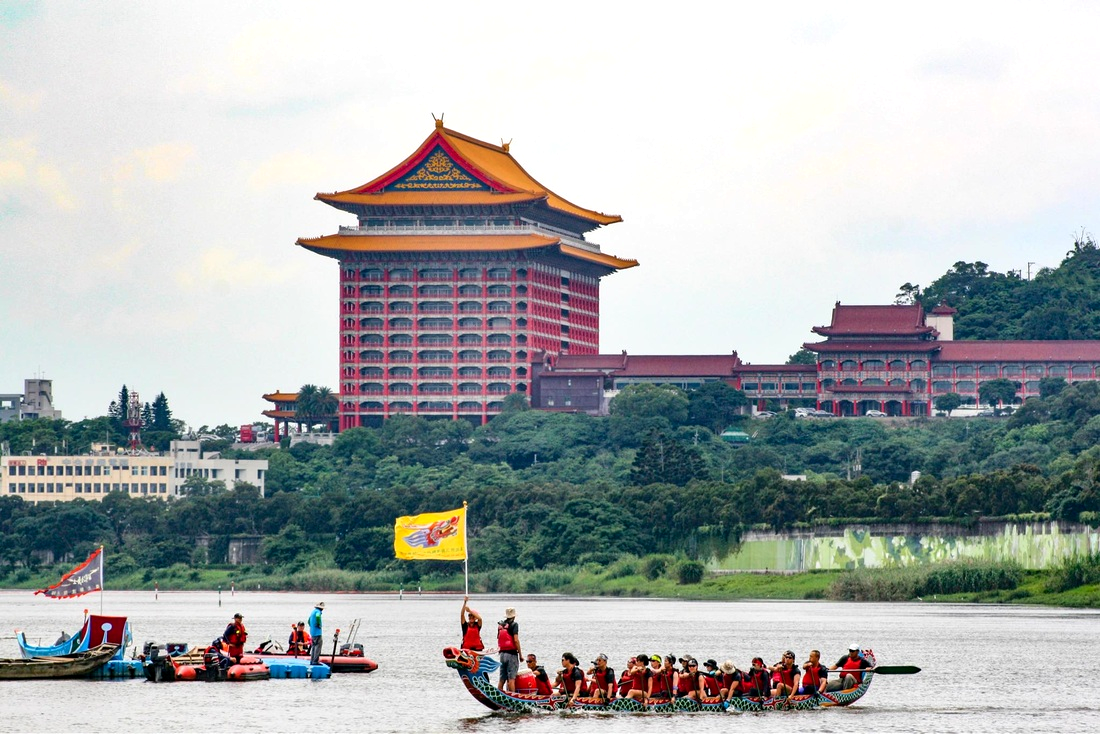
Dragon Boat Festival | Ancient Tragedy (278 BC) | Commemorating the poet Qu Yuan, who drowned himself in protest against government corruption. |
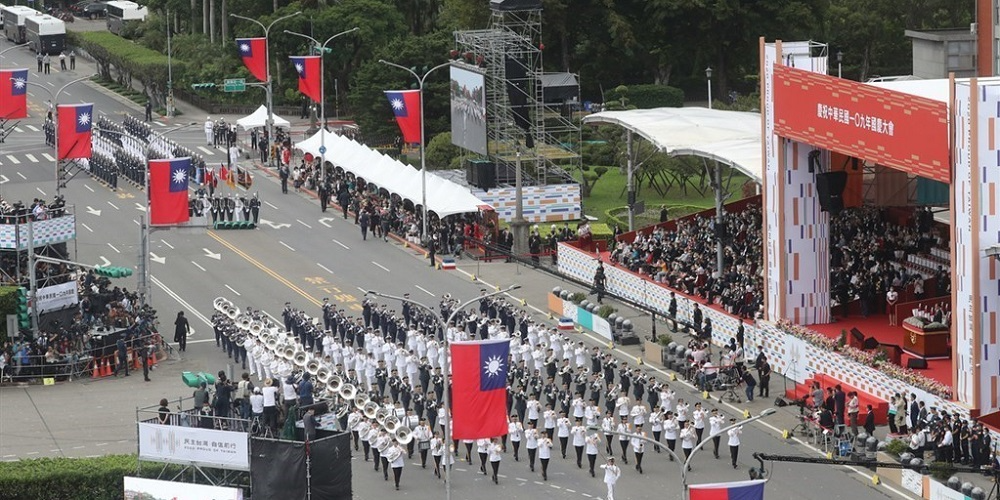
National Day (10/10) | Revolutionary History (1911) | Marking the start of the Wuchang Uprising that ended thousands of years of Imperial rule. |
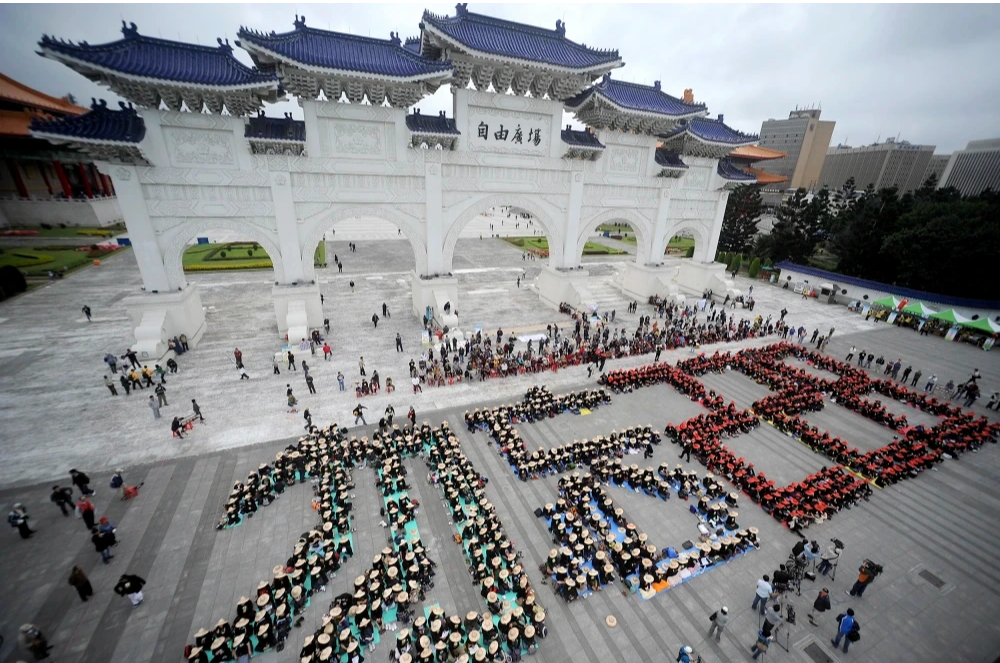
February 28/228
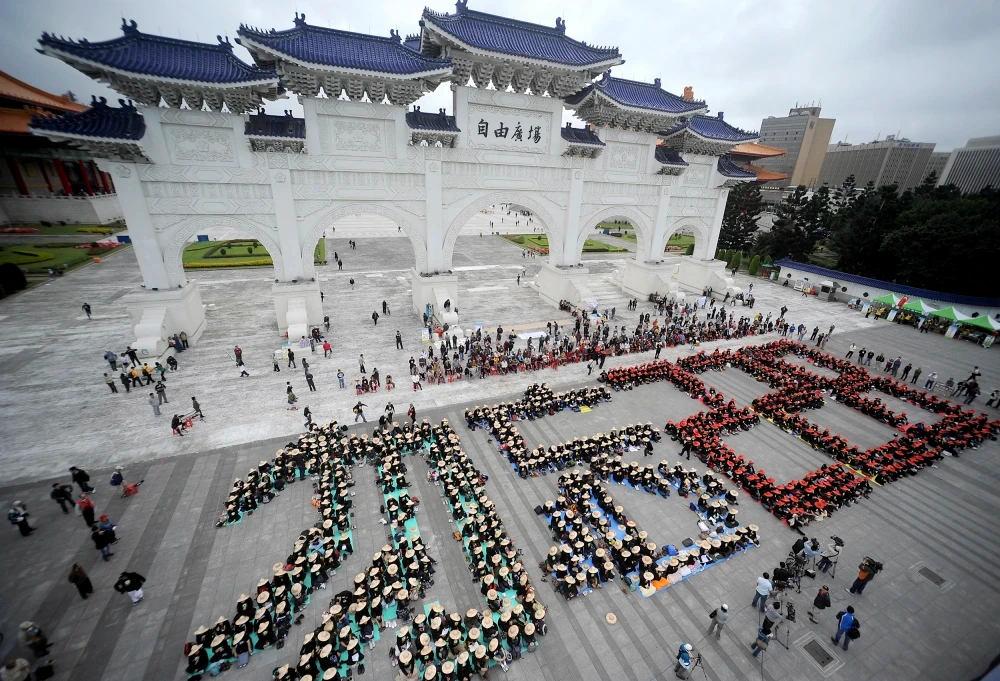
If you were in Taipei this past weekend, you might have noticed the city felt a bit different. The lights on Taipei 101 carried messages of healing, and the usual bustling crowds at 228 Peace Memorial Park were replaced by solemn ceremonies and white lilies.
As a foreigner, it’s easy to see February 28th as just a long weekend. But for Taiwan, this date is the foundation of its identity.
The "228 Incident" began with a small spark that lit a national fire.
The Spark: On February 27, 1947, government agents used excessive force while arresting a widow for selling unlicensed cigarettes in Taipei’s Dadaocheng district. A bystander was shot, and the city erupted in anger.
The Crackdown: What started as a protest against corruption turned into a weeks-long military crackdown. Estimates say between 18,000 and 28,000 people—mostly doctors, lawyers, and students—were killed.
The Silence: This led to the "White Terror" and nearly 40 years of Martial Law. For decades, you could be imprisoned just for mentioning the numbers "2-2-8."
Taiwan’s journey isn't unique; it's part of a global story of human resilience. When you look at 228, you can see echoes of other world-changing events:
The Event | The Country | The Connection |
Gwangju Uprising (1980) | South Korea | Like 228, a student-led protest against a dictatorship was met with a massacre. Both countries used these tragedies as the "starting gun" for their successful march toward democracy. |
Truth & Reconciliation | South Africa | Taiwan looked to South Africa's model of "truth-telling." Instead of just seeking revenge, both countries focused on acknowledging the pain of the victims to let the nation heal. |
The Berlin Wall | Germany | Like the White Terror, East Germany lived under constant surveillance. Taiwan’s transition is often compared to Germany's "memory culture"—choosing to keep the old prisons open as museums so nobody ever forgets. |
Unlike many countries where democracy came through a bloody civil war, Taiwan’s transition in the 1980s and 90s was remarkably peaceful. It was led by student movements (like the Wild Lily Movement) and forward-thinking leaders who realized that the "old way" couldn't last.
Taiwan chose a path of Acknowledge -> Apologize -> Compensate.
1995: The government officially apologized.
Museums: They turned former prisons (like Jing-Mei and Green Island) into Human Rights Museums.
The Name Change: They renamed the "New Park" to 228 Peace Memorial Park.
In Taiwan’s schools today, students learn about 228 in their textbooks.
Coming to Taiwan isn't just about learning Mandarin or eating beef noodles; it’s about witnessing how a society heals.
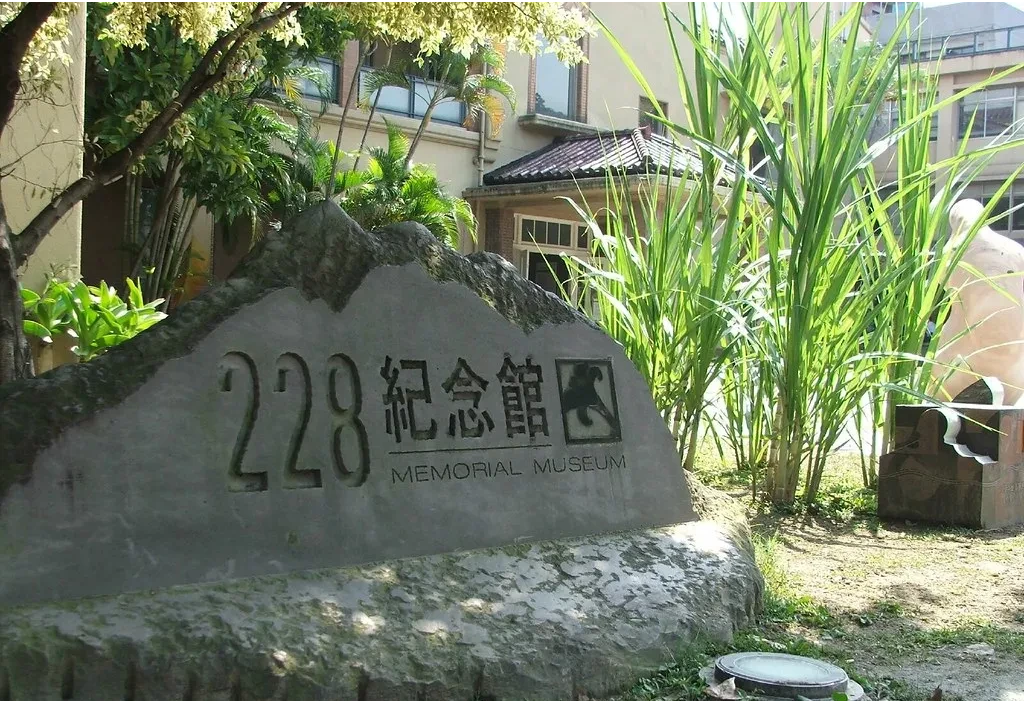
Visit the Museums: Go to the 228 Peace Memorial Museum and Green island white terror memorial museum : If you have a long weekend, visit the former prison for political dissidents. It is now a powerful memorial park. (it's free and foreigner-friendly!).
Respect the Silence: On Feb 28, avoid loud parties near memorial sites. It is a day of national mourning.
Listen to the Stories: Many of your older Taiwanese neighbors lived through the end of Martial Law. Their stories are the true history of this island.