If you’ve ever felt like your language learning was stuck in a textbook, you missed out on the most electric weekend in Taipei. I just spent the last three days at Asiaglot 2026, and it reminded me why stepping out of your "language bubble" is the fastest way to grow.
Asiaglot isn't just a language exchange where people who speak many language gloat about how many language we speak ; it’s an immersive multilingual festival that helps other people get ideas share passion about culture and network.
The Origins: Founded to create a "joyful playground" for language lovers, Asiaglot has grown from a niche meetup into a yearly event many language and cultural enthusiast look forward to . It follows the spirit of global polyglot events but adds a unique "Taiwanese flavor," focusing on local dialects like Hakka and Taiwanese Sign Language alongside global giants like Spanish and French.
The "Polyglot Games": This year featured more "multilingual games "—where we guess language based on different world music , play group bingo games where the more cultural knowledge you know the faster you finish, games where you guess countries based on different linguistical characteristics for prizes from across the world. These games are about using our language skills and understanding of the world to play and exchange and laugh together.
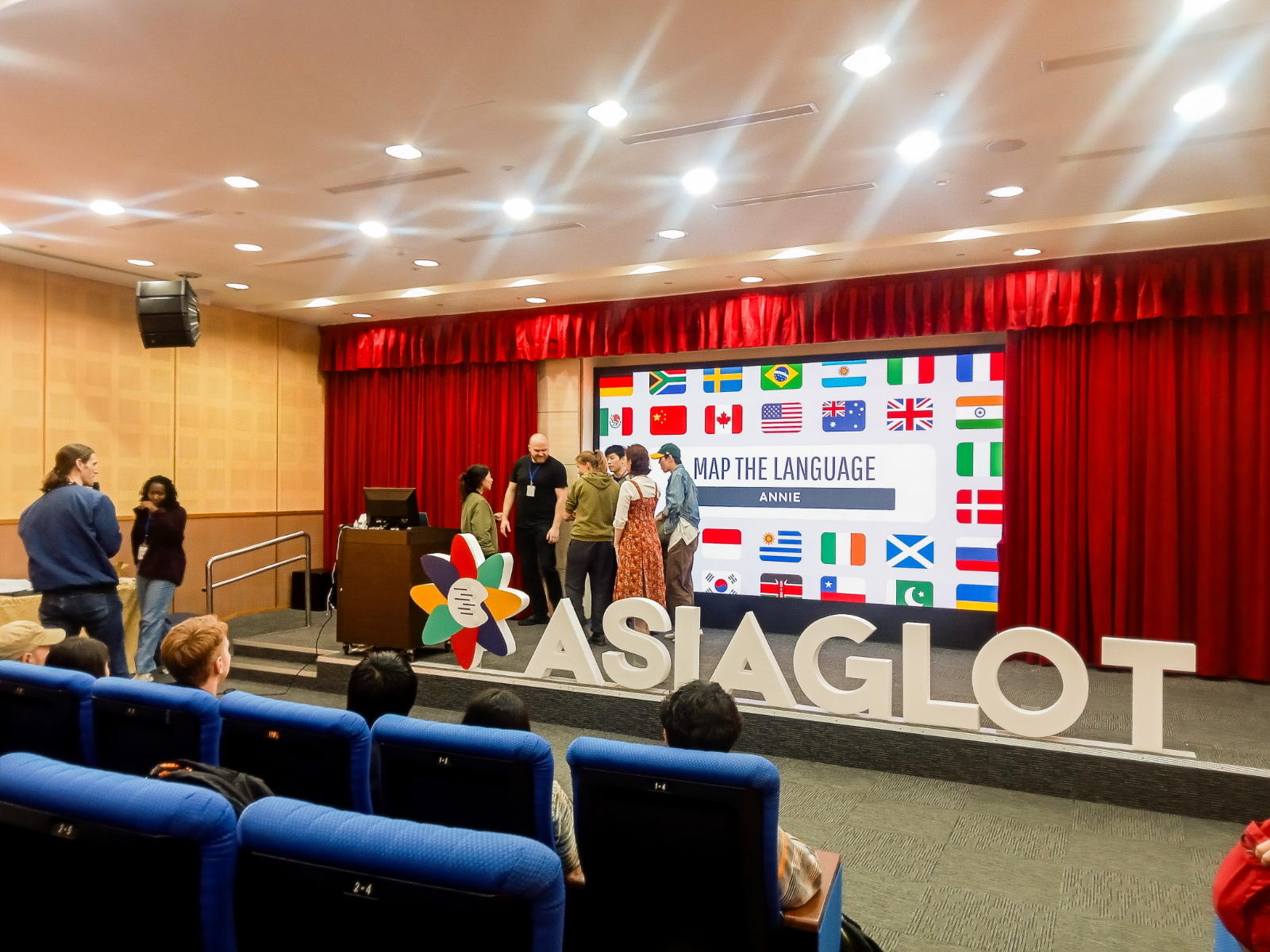
The best part of Asiaglot isn't the workshops; it’s the people. One moment you’re discussing the future of AI in language learning ,how to deal will intermediate plateau or how to create a immersive environment to learn languages with people from from Germany korea , japan etc, and the next, you’re learning slang from a local university student.
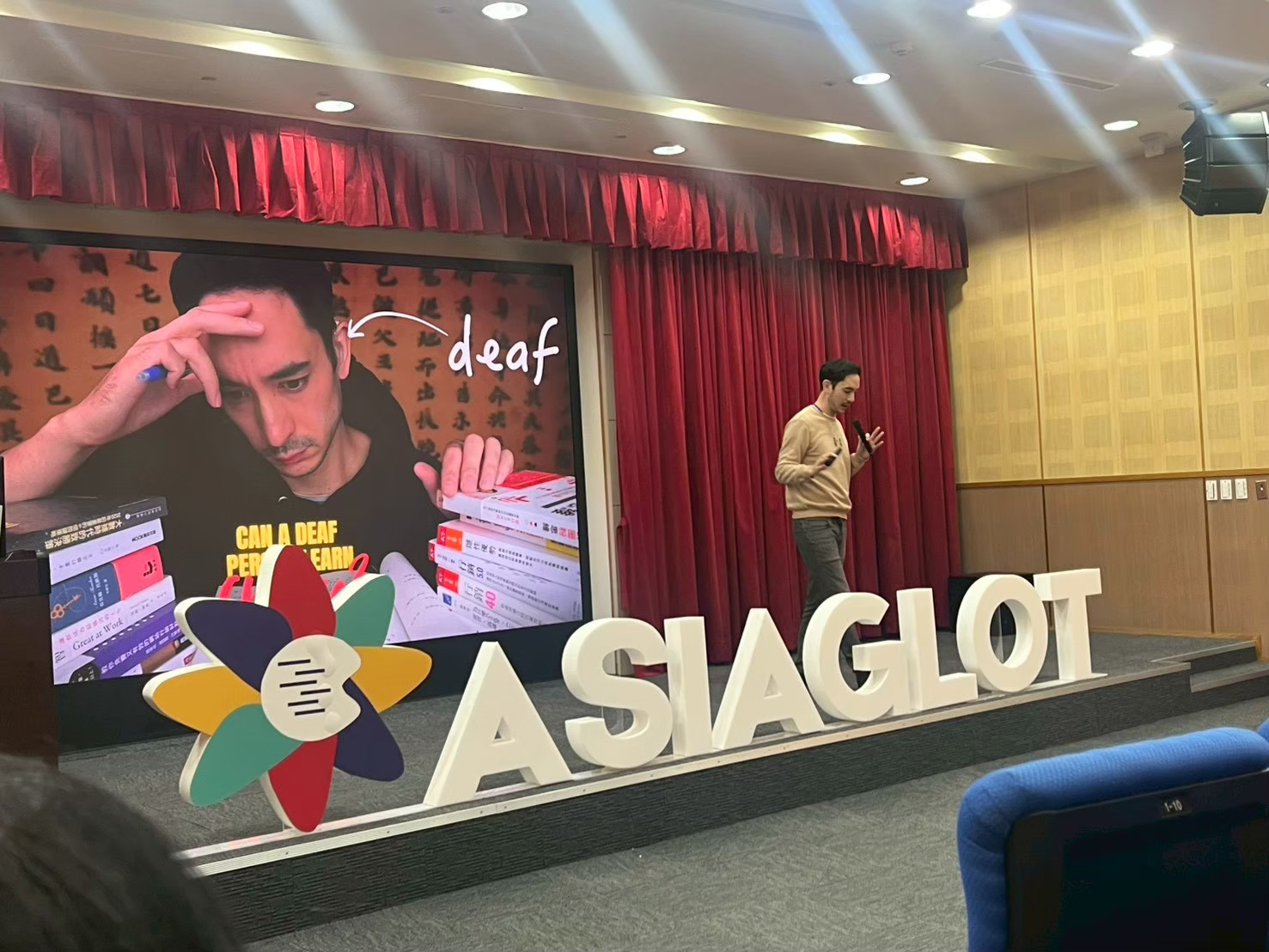
Diverse Speakers: This year’s lineup featured heavyweights like Benny Lewis (Fluent in 3 Months) and local experts who shared secrets on mastering Chinese tones.
The "Community Spotlight": A standout feature of 2026 was the celebrating a special birthday from a cultural icon in taiwan and listening to many live music performances.
The heart of the festival was the Language Exchange Tables on the second floor. It wasn't just the "big" languages like English, Spanish, and French. The diversity was staggering:
Local Focus: There were dedicated tables for Mandarin, Taiwanese language ,
Global Reach: I saw groups practicing everything from Korean to German, polish etc!
The "No-English" Rule: Some tables were designated "Immersion Zones," forcing you to stay in your target language for an hour. It’s exhausting, but it’s the best workout your brain will ever get.
The speakers didn't just give lectures; they gave language-specific tips in those languages!
Expert Insights: We heard from legends like Benny Lewis and local pros like Yolanda Yu, covering topics like "Using AI for Fluency" and "Cracking Asian Scripts."
Multilingual Speeches: Seeing a speaker switch effortlessly between 2 languages to explain a concept was incredibly inspiring since many people wanted to give speeches in other language than English but not exclude the other people in the crowd.. It makes you realize that being a polyglot isn't a superpower—it’s a skill you can learn.
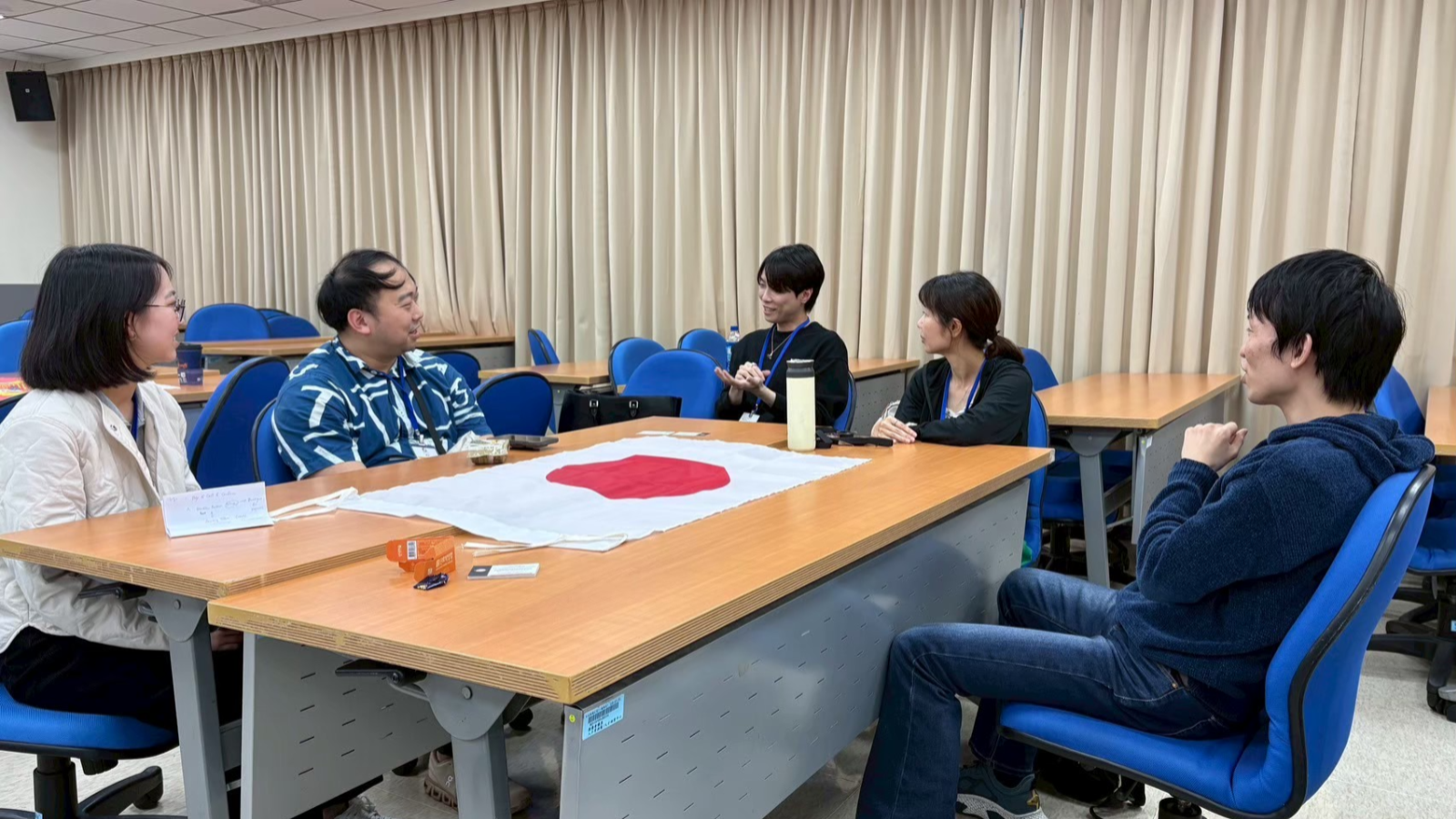
One of the most powerful parts of the weekend at the Beitou Resort was the "Short Talks" series. These weren't just academic lectures; they were survival tips from people who have actually "cracked the code" of human connection.
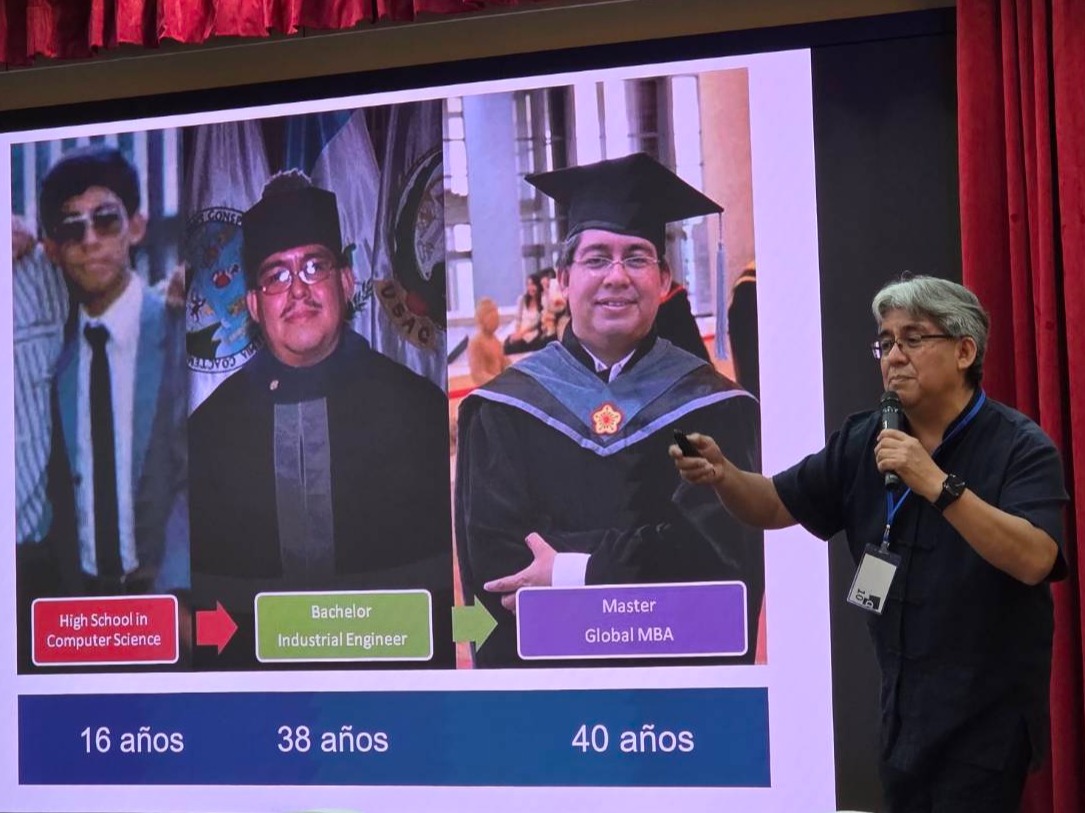
One of the most inspiring moments was hearing from a speaker who didn't start his second language until after age 37.
The Lesson: We often hear that kids are "sponges," but adults have a secret weapon: Systematic Thinking.
The Takeaway: As an adult, you understand how you learn. Whether you are 20 or 70, your brain is perfectly capable of building new neural pathways. It's not about the "language gene"; it's about the habit.
The legendary Benny Lewis (from Fluent in 3 Months) reminded us that the best way to learn to speak is... to speak.
The Strategy: Don't wait until you've mastered 1,000 words. Start with "Tarzan Chinese" (e.g., "Me, Water, Want") on the very first day.
Flip the Script: Instead of focusing on what makes a language hard (like tones or kanji), find what makes it easy. Look for "cognates" or loanwords. For example, many English words are used in daily life in Taiwan—start there to build your confidence!
Yolanda dropped a truth bomb: Too many people focus on the individual words and forget the human being in front of them.
The Problem with "Movie Chinese": Yolanda mentioned that many students spend hours copying sentences from movies or textbooks, but they end up speaking Mandarin in a flat, monotone way. They have the right words, but they’ve lost the emotion behind them.
The "Context" Over Keyboards: She emphasized that language isn't just a data transfer; it’s an emotional exchange. If you are apologizing, your tone needs to feel like an apology. If you are excited, your cadence should reflect that.
Reading Between the Lines: The real secret to fluency is understanding what a person wants based on the context of their speech. Sometimes the words say one thing, but the emotion and context say another. If you only focus on the individual words, you’re missing half the conversation.
The Takeaway: Stop being a "word-repeating robot." When you learn a new phrase, don't just memorize the tones—memorize the feeling and the situation where it belongs.
The general consensus among the polyglots was that motivation follows action, not the other way around.
The Tip: Set tiny, achievable goals. Instead of "Become fluent," try "Order my coffee in Mandarin tomorrow." These small wins release dopamine and keep you coming back for more.
The tip: there was mentioned using your living space as a setting for more immersive language learning by a Movie set design expert. Using spacial design as a trigger for language practice , which helps you visualize real world context and help learning new words stick longer in your memory.
Living in a city like Taipei, it's easy to stick to your native-speaking circles. But events like Asiaglot, or the smaller Polyglot Nexus meetups, are essential for:
Confidence over Perfection: You realize that even the "super polyglots" make mistakes. The goal is connection, not a perfect grade.
Cultural Empathy: Learning a few phrases in a "minority" language like Lithuanian or Paiwan (both featured at the tables this year!) changes how you see the world.
Find a new tribe: a lot of time learning a language is a solo activity but Much like living in a Taiwan Share House, these events provide a space to be "international." You aren't a tourist; you're part of a global tribe of people interesting in language and culture.
Get inspiration: Attending these events you learn a lot about other persons study method and reasons for learning language that can help you in your journey
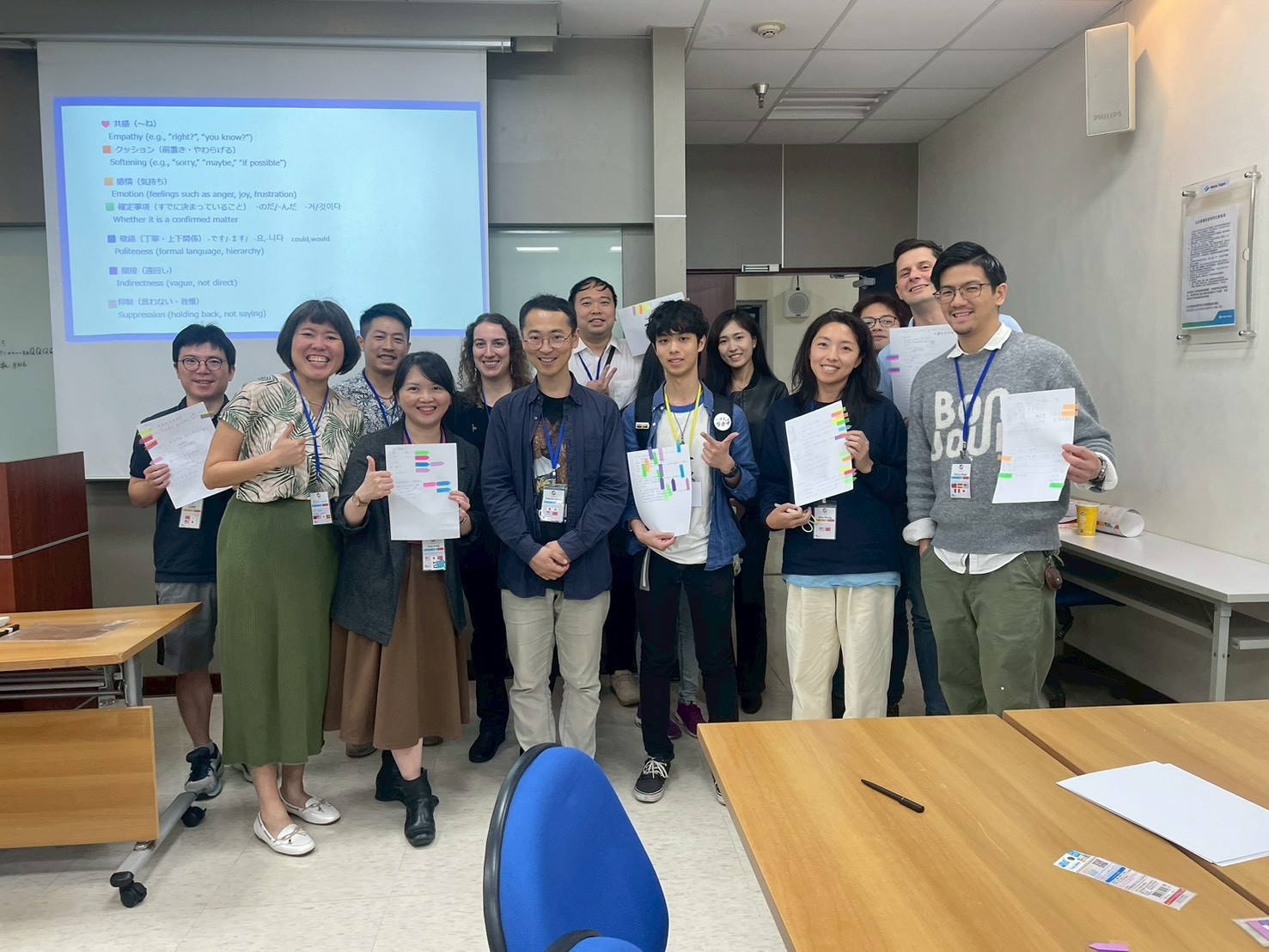
By the end of the speeches, the atmosphere was electric. People weren't just checking their notes; they were checking their LINE and Instagram.
The Power of the Partner: The speakers emphasized that a language partner is worth ten textbooks. Making a friend who speaks your target language turns "study" into "socializing."
Finding Your Tribe: If you missed the chance to exchange contacts at the event, don't worry. This is exactly what we do at Taiwan Share House. We take these expert tips and put them into practice in our common rooms every single night.
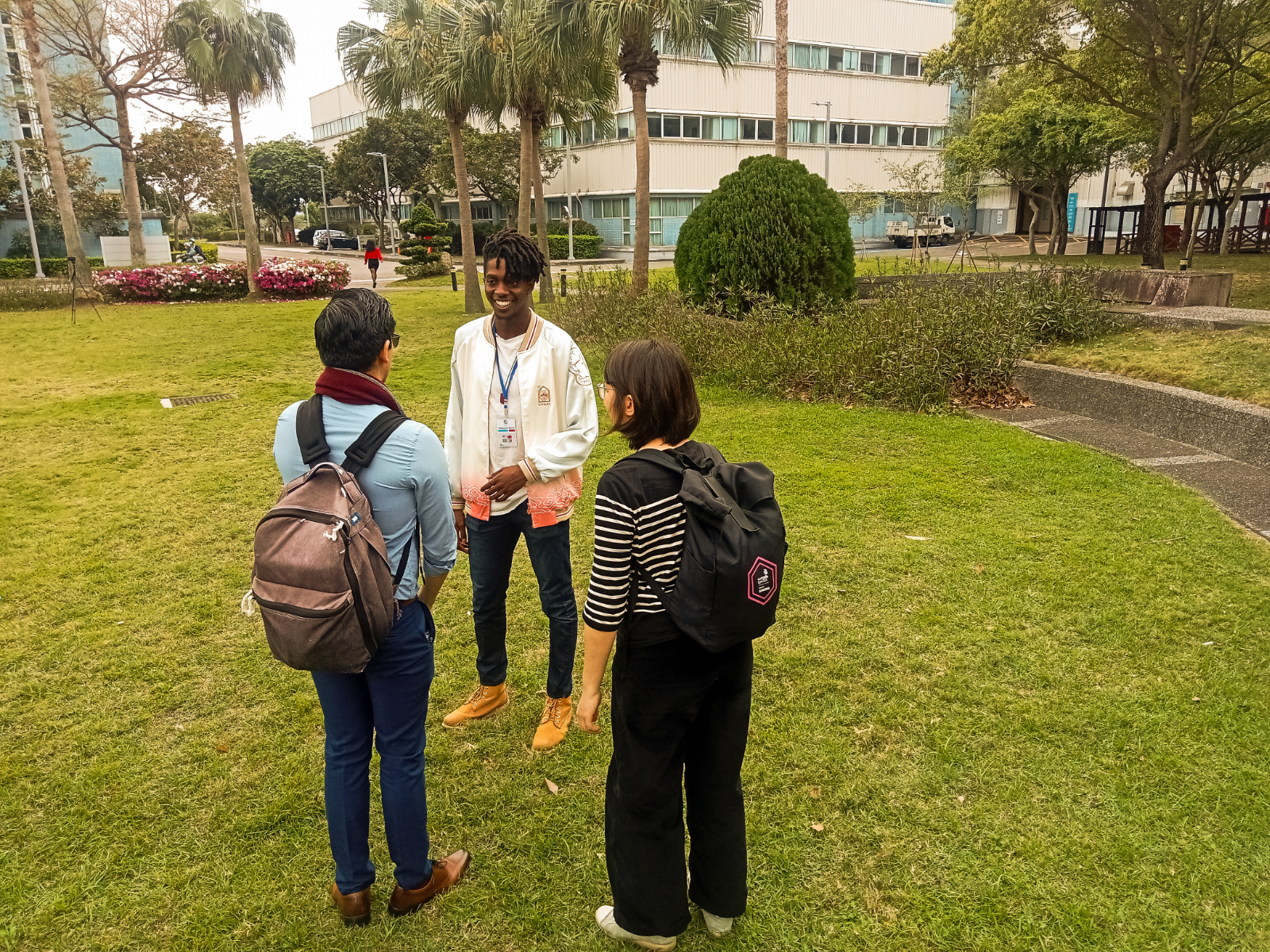
At Taiwan Share House, we live by this "Yolanda Rule. We want to create a environment where not just classroom phrases are being communicated but cultural stories are being shared and language becomes organic."
Natural Immersion: You don't learn "monotone" Chinese in our houses because you are using it to ask your roommate to pass the salt or to tell a joke after a long day at NTU or Tamkang.
Contextual Learning: Real-life situations at home provide the perfect "emotional context" that no textbook or movie can replicate.