Home Blog Shared House Guide 🏮 Surviving and Celebrating Lunar New Year in Taiwan: An Expat Student Guide


It's February , 2026, and the Lunar New Year or Chinese new year is here the year of the horse, the holiday is almost here! Like any foreigner coming from a totally different system you are not sure how this works and is it a good time to travel to Taiwan or not.This is a guide for foreign students and expats coming to Taiwan during Chinese new years.
As an international student in Taiwan, you've likely heard the whispers: "Everything closes," "Book your trains now," "Get ready for firecrackers!" It's all true. We're talking about Lunar New Year (LNY), or the Spring Festival, Taiwan's most significant cultural event.
In eastern chinese culture this period is the biggest holiday of the year, similar to that of christmas in the America Canada ,and European countries. the main holiday runs from February 14th to February 22nd, with Lunar New Year's Eve on February 16th. For many of us if its your first time experiencing it, it's a mix of excitement, curiosity, and a little bit of "what do I do now?" Don't worry, this guide will help you embrace the traditions, survive the closures, and dive deeper into Taiwanese culture.
So it's called Chinese new years and you might think it's just one fix day where we cross over into the next year but, unlike the Western New Year, Lunar New years. isn't a single night; it's a period steeped in ancient customs aimed at sweeping away bad luck and welcoming prosperity.
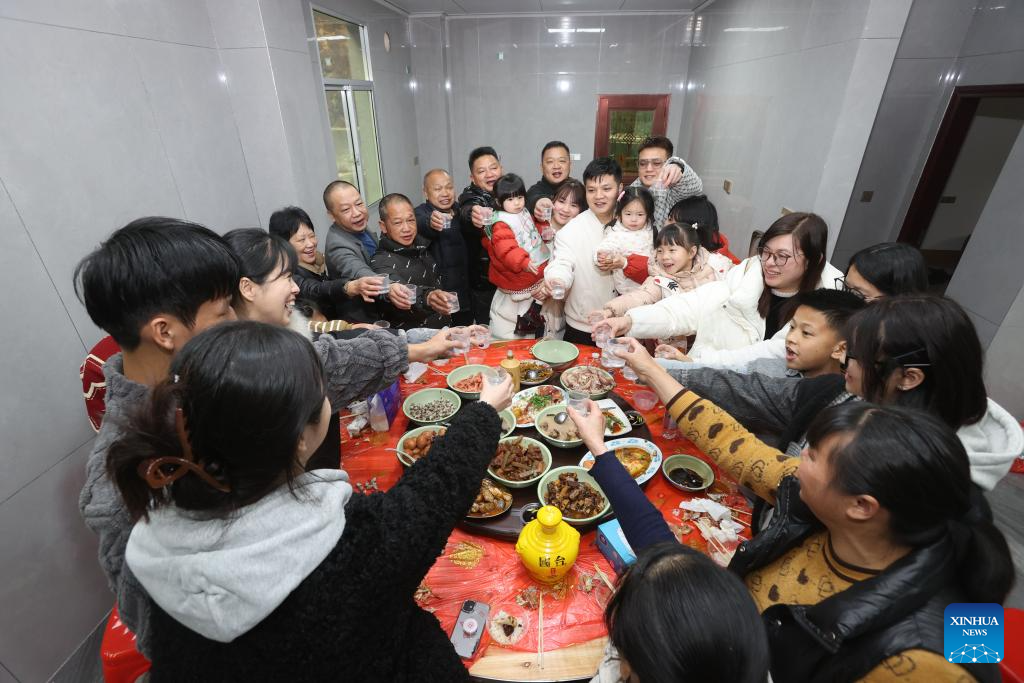
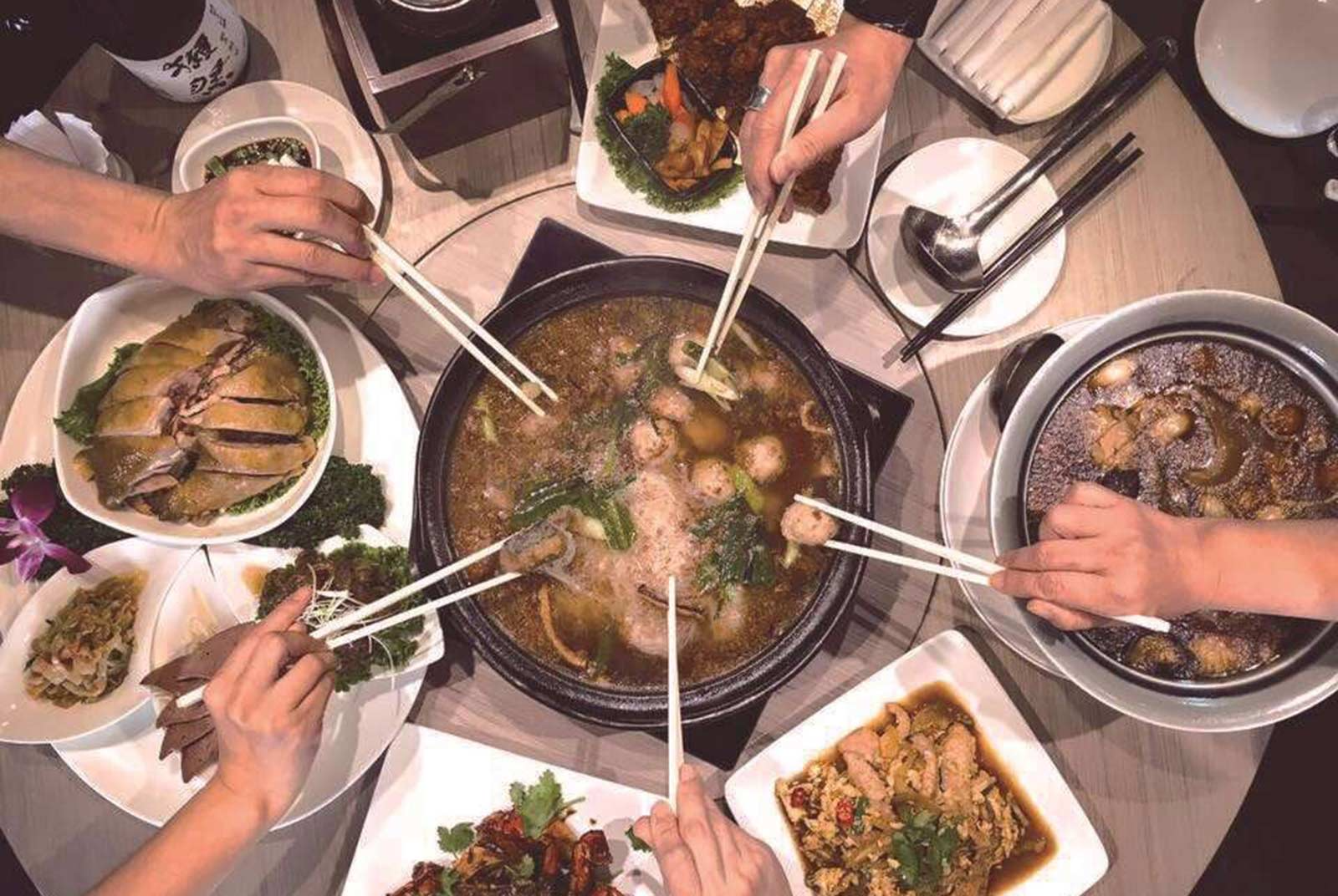
The Family Reunion (團圓飯 - Tuányuánfàn): This is the core of Lunar new year. On New Year's Eve (Feb 16th), families gather for a grand feast. This is why you'll see cities empty out as people return to their hometowns. Now as a foreigner in Taipei , you will definitely experience the empty street effect where almost overnight the entire Taipei are seems to have disappeared. This is because hometown for most people in taipei is other areas outside of taipei, So if you are in Taipei it would be a good time to do other traveling if you don't mind the slow down public transportation and many closed eateries. If you have nothing to do many foreigners do host events to take part in during this period. [: if you were invited to a Taiwanese family's dinner, or have a taiwanese family , it is a great experience to have , it is similar to having thanksgiving or Christmas dinner with loved ones. if you are invited just know that you are special since it's really special to be invited to a family reunion.]
Red Envelopes (紅包 - Hóngbāo): The famous red packets filled with crisp new bills. These are given by elders to children and unmarried young adults as a symbol of good fortune and to ward off evil spirits. Always accept and give with two hands as a sign of respect!
Cleaning House (掃塵 - Sǎochén): Before the New Year, homes are meticulously cleaned to sweep away ill fortune. But, a crucial taboo: do NOT clean or take out the trash on New Year's Day (Feb 17th), or you might sweep away your incoming good luck! This is similar to how many cultures do christmas cleaning and new year's eve cleaning to bring in blessings and luck for the upcoming new year.
Worshipping Ancestors & Deities: Many families visit temples to pay respects to ancestors and pray for blessings in the coming Year of the Fire Horse.
For international students, the LNY period means a significant break. *note There is a big difference between if you are attending a Chinese language course versus a traditional university in Taiwan. It is Similar to winter break in many western countries America, Canada, south america, Australia that end just before the Christmas holidays and often resumes after new years. So if you were wondering why don't Taiwanese give Christmas break, this is the reason.
Winter Break (寒假 - Hánjià): Most universities in Taiwan schedule their winter break to perfectly encompass Lunar New Year. In 2026, this typically runs from January 24th to February 22nd. For Chinese language course classes however , your course normal breaks near the time for Chinese new years and then resumes after the break, the specific date my varied slightly when the spring semester starts but all Chinese programs break for Chinese new year vacation.
The "Ghost Campus" Effect: During the peak holiday week (Feb 14-22), university campuses become incredibly quiet. Administrative offices, libraries, and even some student facilities will be closed. Plan ahead! If you need any documents or services, get them done before February 14th.
Dorm Life: If you live in a university dorm, double-check your specific dorm's rules for the holiday. Some might require registration to stay, or have limited services. If you're in a Taipei share house, it's business as usual for your accommodation, but your housemates might head home!
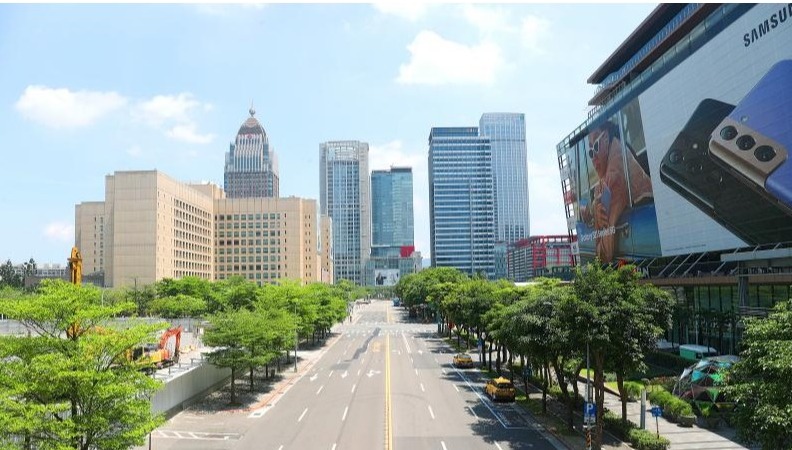
Depending on the region you live in , the city might become a ghost town , especially the big cities. Taipei transforms during lunar new years. The usual bustling streets become eerily quiet as locals head home. This offers a unique chance to experience the city in a different light.
Pre-Holiday Bustle (Early February):
Dihua Street (迪化街): This is your must-visit before the quiet sets in! From early February leading up to New Year's Eve, Dihua Street becomes Taipei’s largest Lunar New Year Market (年貨大街). It's an explosion of sights, sounds, and smells—think dried fruits, candies, festive decorations, and traditional snacks. [YOUR EXPERIENCE HERE: Talk about your visit to Dihua Street, what you bought, or a specific snack you tried.]
During the Main Holiday (Feb 14-22):
Embrace the Quiet: It’s a fantastic time for relaxed walks, exploring parks, or visiting popular spots without the usual crowds.
Temple Visits: Visit major temples like Longshan Temple (龍山寺) or Xingtian Temple (行天宮). They will be crowded with worshippers, but the spiritual energy and vibrant atmosphere are incredible. It’s a great way to observe local customs.
Hiking & Nature: The city's hiking trails (like Elephant Mountain) and national parks are always open and offer a refreshing escape.
Hot Springs: February is still chilly! A trip to Beitou (北投) for a soothing hot spring bath is perfect. Check specific facility hours, as some might be closed or have reduced hours.
lantern festivals:
How is travel in Taiwan during this period.During this period , you might decide to take a trip to explore more of Taiwan since it is such a long break and will be wondering about the crowds prices ,and transportation. Well, it is a great time to travel during this period , especially since there will be many cultural significant activities happening but the problem is you and everyone in Taiwan will be travelling as soon as the first day, so yes it is a great time , just be ready for lines, price hikes in popular places and crowds. if you go to non-popular destinations things should be fine. ironically Taipei would be the best destination to travel to since it is emptied-out.
Transport is a Challenge: If you plan to travel Anywhere in Taiwan whether to Kaohsiung or Hualien , Taitung etc during the 9-day break, book your HSR or Train tickets very early. They usually go on sale 28 days in advance and sell out in minutes.
"Empty Taipei": If you stay in Taipei, you will experience a rare phenomenon—the city becomes quiet, traffic disappears, and it is actually the most peaceful time to go for a walk or a hike.
Prices Rise: Be aware that "New Year Surcharges" often apply to taxis and some restaurants during the 9-day break.
Learn a Greeting: Master "Gong Xi Fa Cai" (恭喜發財) – "Wishing you wealth and prosperity." It's the most common greeting!
Observe Customs: If you're invited to a Taiwanese home, follow your host's lead. Pay attention to how red envelopes are given and received.Get ready to play chinese traditional chess (麻將(Mahjong).
Explore Traditional Food: Besides the reunion dinner, look for traditional LNY snacks like pineapple cakes, tangyuan (sweet glutinous rice balls), and various dried meats and candies.